The 10,000-Mile Oil Change Myth: Why Shorter Intervals Are Better for Your Vehicle

The Truth Behind Oil Change Frequency
Over the last several years, car dealerships have confidently suggested that you can now go 10,000 miles between oil changes. While advancements in engine technology and synthetic oils have indeed extended oil change intervals, pushing your vehicle to this limit might not always be the best choice for its long-term health. At Bob & Sons Automotive, we're here to shed some light on why sticking with more frequent oil changes—closer to 5,000 miles—can be a wiser strategy.
Modern Oil Still Degrades Over Time
Synthetic oil has been a remarkable innovation, providing superior heat resistance and longevity compared to conventional oil. However, it doesn’t last indefinitely. Over time, even the best synthetic oils degrade due to thermal breakdown and contamination. Although synthetic oils can endure higher temperatures, they break down causing wear on engine components. While engines operate, the oil will get filled with soot, fuel and metal particles which will lead to sludge buildup. If you wait until 10,000 miles to change your oil, you might be using it beyond its best performance, especially if you often drive in tough conditions.
The Way You Drive and Driving Conditions Matter
Have you ever been shopping for a new appliance and there’s a huge yellow sticker showing how little it takes in electricity to run it for an entire year? Dealerships use this same tactic often presenting best-case scenarios for vehicle ownership. The 10,000-mile recommendation assumes optimal driving conditions—smooth highway cruising at steady speeds. However, real-world driving in New Hampshire often involves stop-and-go traffic, short trips, and extreme weather, which can strain both oil and engine.
Dealer Advice, Protecting Your Warranty and Resale Value
If you’re new to your vehicle, it's essential to consult your vehicle’s owner’s manual. Although some dealerships may suggest 10,000-mile oil changes, manufacturer’s often list shorter intervals for differing driving conditions. Skipping oil changes not only could harm your vehicle, but could potentially void your warranty. Additionally, a well-maintained vehicle with a verified service history generally equals a higher resale or trade-in value.
The Cost of Oil Changes vs. Engine Repairs
Many modern vehicles are equipped with oil life monitoring systems, meant to estimate oil change timing based on usage but does not take into account severe driving conditions. Less oil changes may seem cost-effective but can ultimately lead to expensive repairs or catastrophic damage like engine failure. Check your oil levels regularly to ensure your vehicle has enough oil to lubricate the engine properly.
Attention High Mileage Vehicles Owners!
The average age of a used vehicle in the United States is over twelve-years-old. If your vehicle currently has more than 100,000 miles or you plan to keep your vehicle beyond 100,00 miles, regular oil changes are crucial. Older engines produce more contaminants, accelerating oil degradation. Monitoring oil levels between changes is essential to prevent running low and potential engine issues.
Oil Changes Help Reveal Other Issues
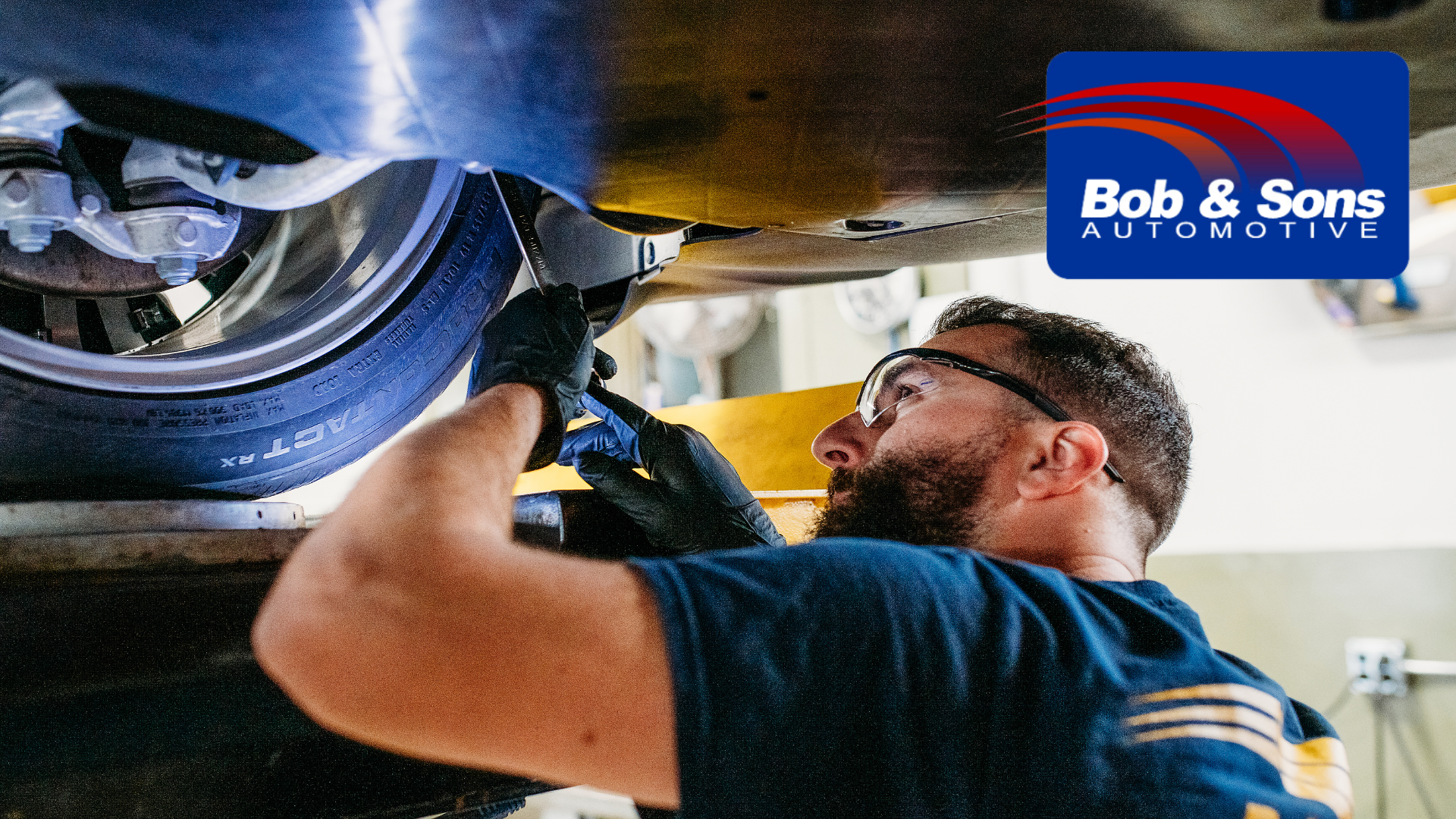
At Bob & Sons Automotive, every oil change is an opportunity for our technicians to inspect other critical components like air filters, belts, hoses, and fluids. Regular check-ups can catch potential problems early, saving you from unexpected repairs and potentially unsafe situations.
Conclusion
While 10,000-miles between oil changes might be feasible in perfect driving conditions and steady speeds, most drivers require more frequent vehicle maintenance. By sticking to oil changes every 5,000 miles, you're investing in your engine's long-term health and avoiding costly repairs. Schedule your oil change appointment with Bob & Sons Automotive by calling 603.623.9295 or Request an Appointment.