The Cost of Commuting: How to Budget for Rising Transportation Expenses
Smart Strategies to Manage Your Transportation Budget Amid Economic Challenges
Commuting costs can add up quickly, especially with an uncertain economy and fluctuating gas prices. Here’s a comprehensive guide on budgeting for transportation expenses, including tips on cutting costs and creating priorities to best fit you driving lifestyle.
Understanding Your Commuting Costs
To manage commuting expenses effectively, first take a close look at where your money is going. Common transportation costs include:
- Gasoline: With gas prices often unpredictable, tracking your fuel consumption can help you anticipate future costs.
- Insurance: Car insurance premiums can vary widely based on factors like your driving record, the type of vehicle, carriers and coverage levels.
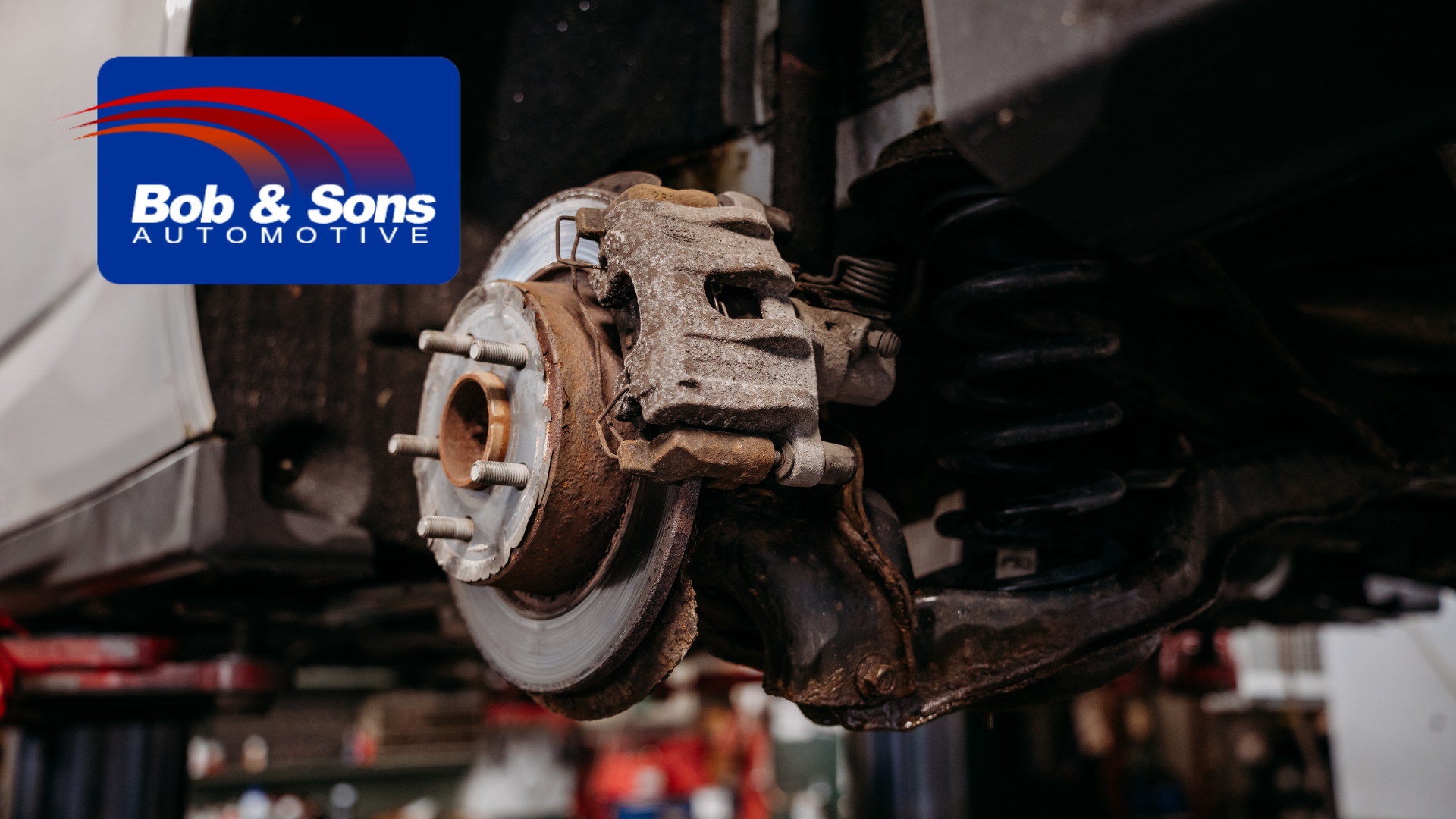
- Maintenance and Repairs: Regular upkeep is essential for vehicle longevity and safety. This includes oil changes, brake checks, and unexpected repairs.
Practical Tips for Budgeting Transportation Expenses
1. Track Your Expenses
Begin by recording all transportation-related expenses over a month. Include fuel, insurance, parking fees, tolls, and maintenance costs. This will give you a clear picture of your current spending and help identify areas for potential savings. Examples could be tracking different stores where you filled up and at what price, or sticking with the same automotive repair shop to save technicians time because they’re familiar with your vehicle.
2. Set a Realistic Budget
Once you’ve tracked your expenses, set a monthly budget. Allocate a specific amount for each category, such as gas and maintenance, and stick to it. Consider using a budgeting app or gas app to keep track of your spending and ensure you stay within your limits or find stores to fill up cheaper or with rewards.
3. Optimize Your Fuel Efficiency
Improving your vehicle’s fuel efficiency can lead to significant savings. Here are a few tips:
- Maintain Proper Tire Pressure: Under-inflated tires can decrease fuel efficiency.
- Plan Your Routes: Use apps to find the shortest routes or avoid traffic.
- Carpool: Share rides with coworkers to cut down on gas costs.
4. Shop Around for Insurance
Insurance premiums can be a significant part of your transportation budget. Compare quotes from different providers to find the best deal. Consider bundling your car insurance with other policies, like home insurance or pet insurance, to receive discounts.
5. Prioritize Maintenance
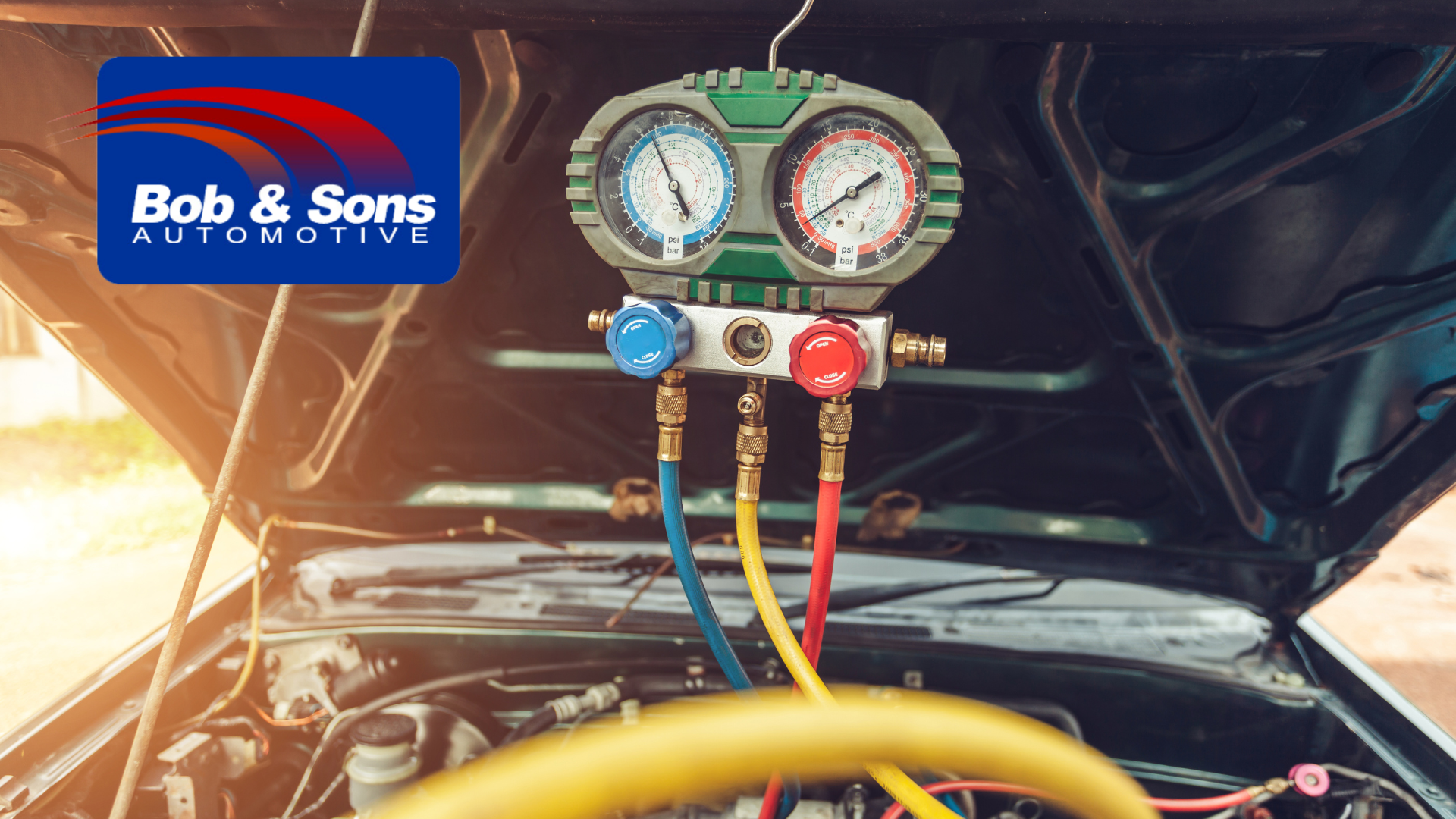
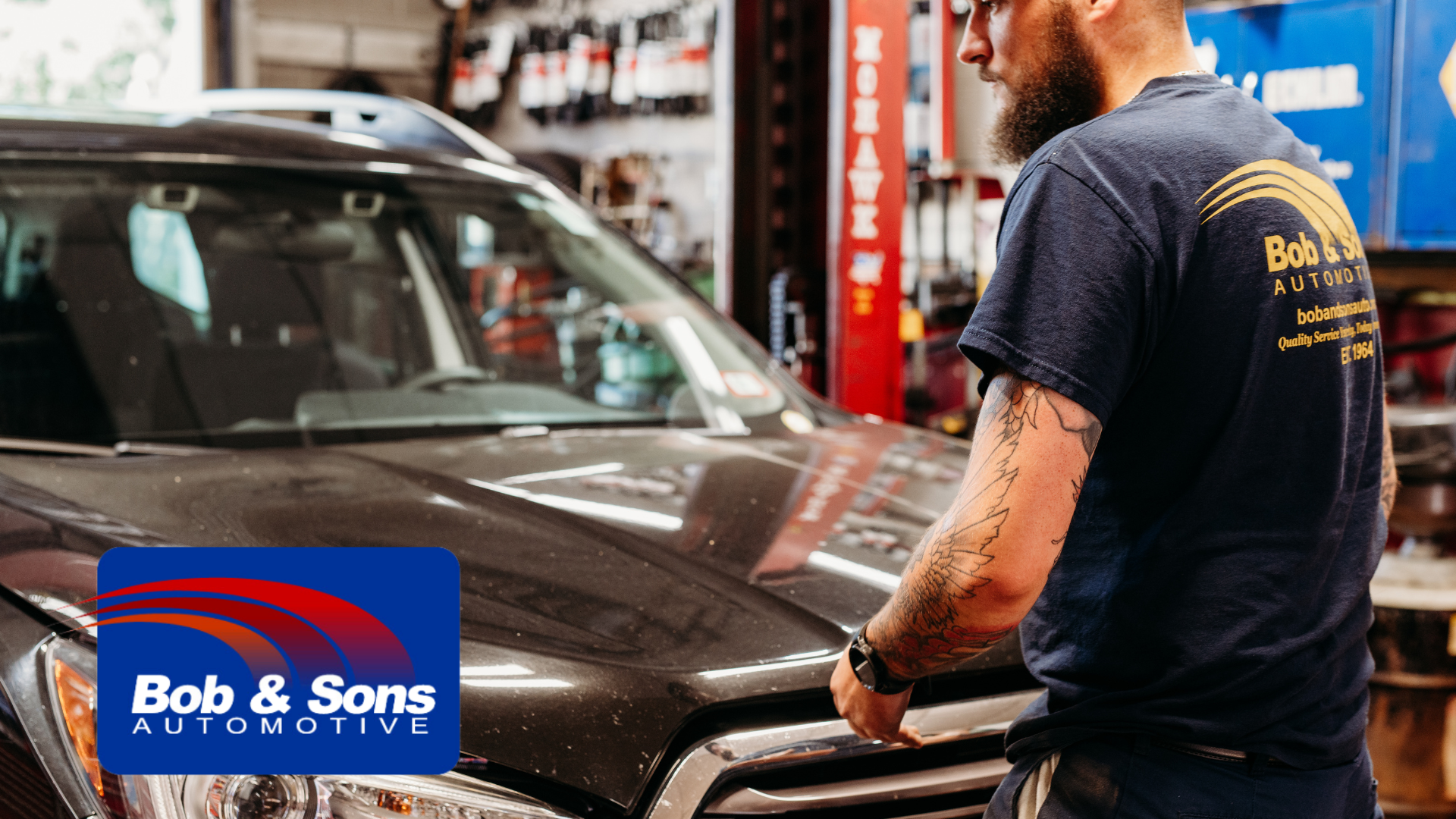
Regular maintenance at Bob & Sons Automotive can prevent costly repairs down the line. Schedule routine checks for your brakes, oil, filters and tires. Our automotive technicians are familiar with your vehicle, and are able to pinpoint the cause of issues faster when we see your vehicle for regular oil changes and recommended maintenance. Addressing small issues early can help avoid larger, more expensive problems later.
Prioritize Your Needs
When budgeting for transportation, it’s essential to set priorities based on your lifestyle and financial goals. Determine what’s most important—whether it’s maintaining a reliable vehicle, reducing emissions, or saving money—and we’ll do our best to help you allocate your resources accordingly.
Conclusion
Budgeting for commuting expenses is all about being proactive and making informed choices. By tracking your spending, optimizing your resources, and exploring cost-effective transportation options, you can effectively manage the rising costs of commuting. At Bob & Sons Automotive, we're here to help with expert maintenance services to keep your vehicle running efficiently. Call us at 603.623.9295 or Request an Appointment for more tips on saving money and ensuring your vehicle is in top condition!