Think Your Car Is Safe? Meet the Bob & Sons Responsible Driver Safety Inspection

Discover what we check, why it matters, and how a proactive inspection can help you drive with confidence.
Your vehicle might start every morning, get you to work, and handle your daily errands without a problem. But just because everything seems fine doesn't necessarily mean every component is working as it should.
From your brakes and tires to your steering and suspension, your vehicle relies on numerous systems working together to help keep you safe. Over time, normal wear, corrosion, and unexpected damage can affect these components, sometimes without obvious warning signs.
That's why we created the Bob & Sons Responsible Driver Safety Inspection: to take a closer look at key vehicle systems, identify potential safety concerns, and help you make informed decisions about your vehicle's maintenance and repairs.
Here's what we look at and why it matters.
Braking System: More Than Just Stopping
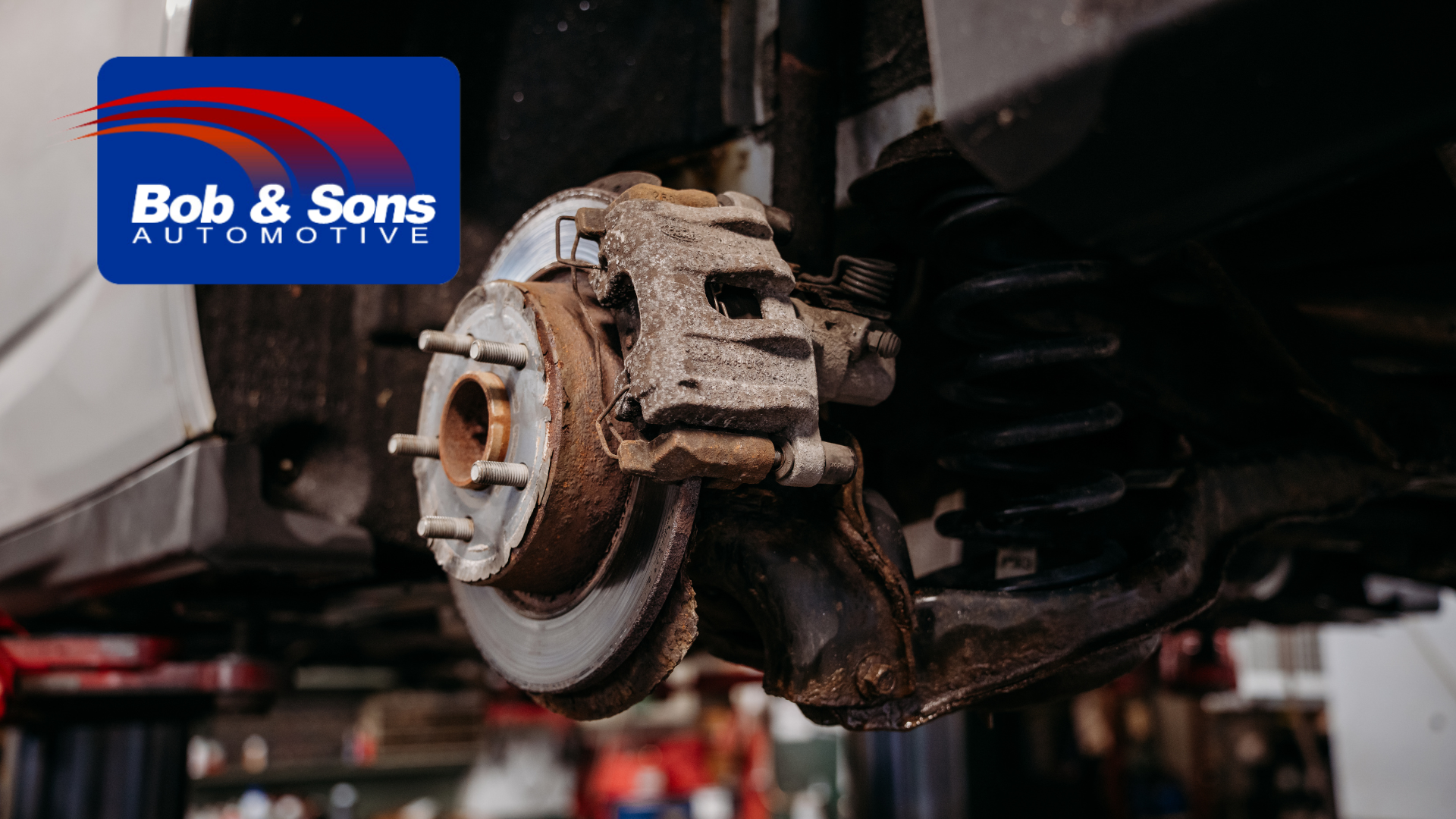
Your brakes are one of your vehicle's most important safety systems. Worn components, damaged brake lines, or other problems can affect stopping performance when you need it most.
During our inspection, we examine:
- Brake Pads, Rotors, and Drums: Check for wear, damage, and conditions that may affect braking performance.
- Brake Lines and Hoses: Look for leaks, corrosion, cracks, and deterioration.
- Parking Brake: Check operation and identify potential concerns.
Squealing, grinding, a soft + spongy brake pedal, or changes in stopping distance are all reasons to have your braking system evaluated. Even if you haven't noticed a problem, regular inspections can help identify wear before it becomes more serious.
Steering & Handling: Stay in Control
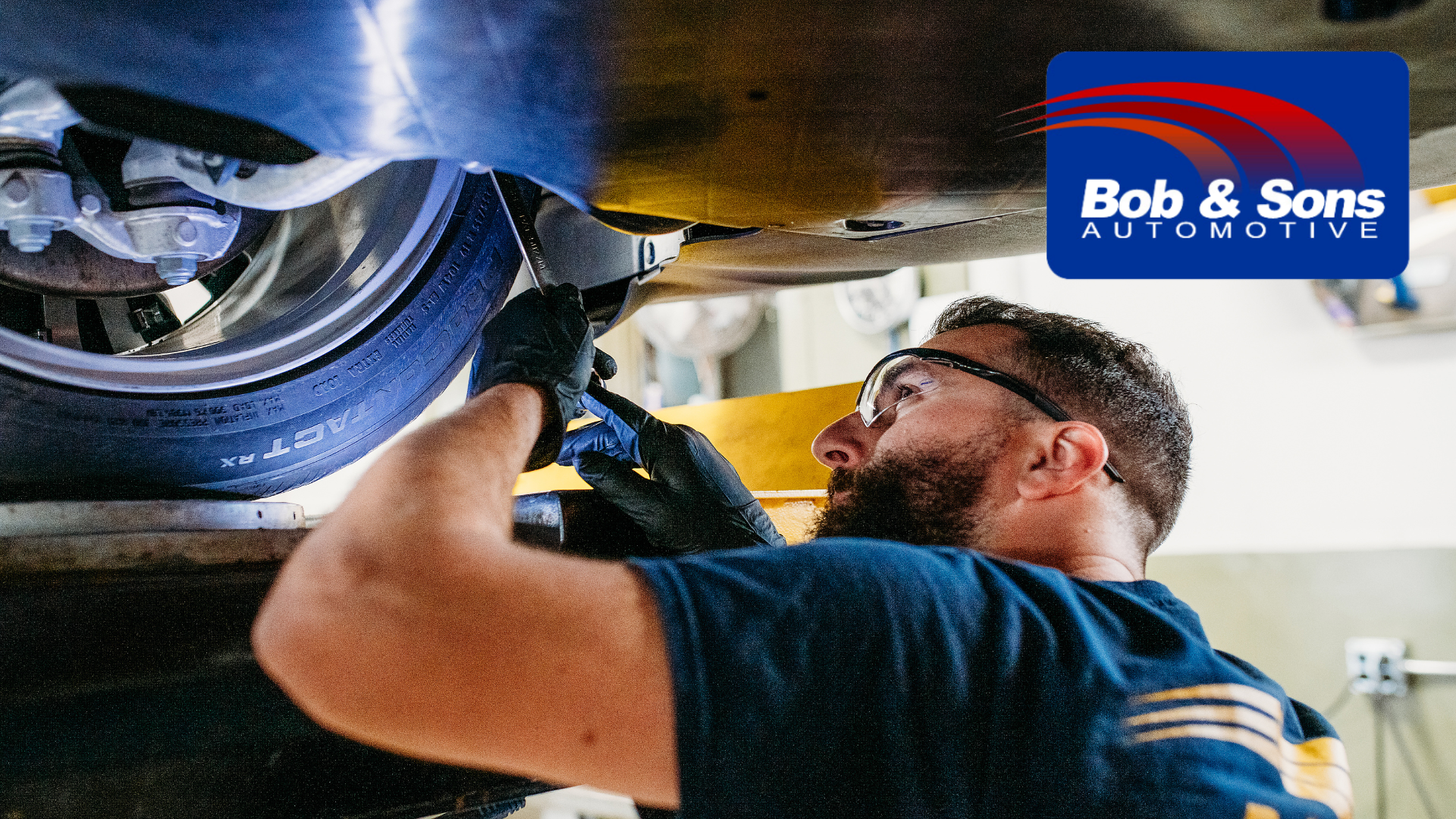
Your steering and suspension systems work together to help you maintain control, navigate turns, and keep your tires properly connected to the road. Worn or damaged components can affect handling, stability, and tire wear.
We inspect key components, including:
- Steering Components: Check for excessive play, wear, or damage.
- Tie Rods, Ball Joints, and Wheel Bearings: Look for looseness, wear, and other signs of deterioration.
- Control Arms and Bushings: Inspect for wear or damage that could affect steering and suspension performance.
Clunking noises, unusual vibrations, uneven tire wear, or changes in steering response shouldn't be ignored. These symptoms can point to problems that deserve further attention.
Tires & Wheels: Your Connection to the Road
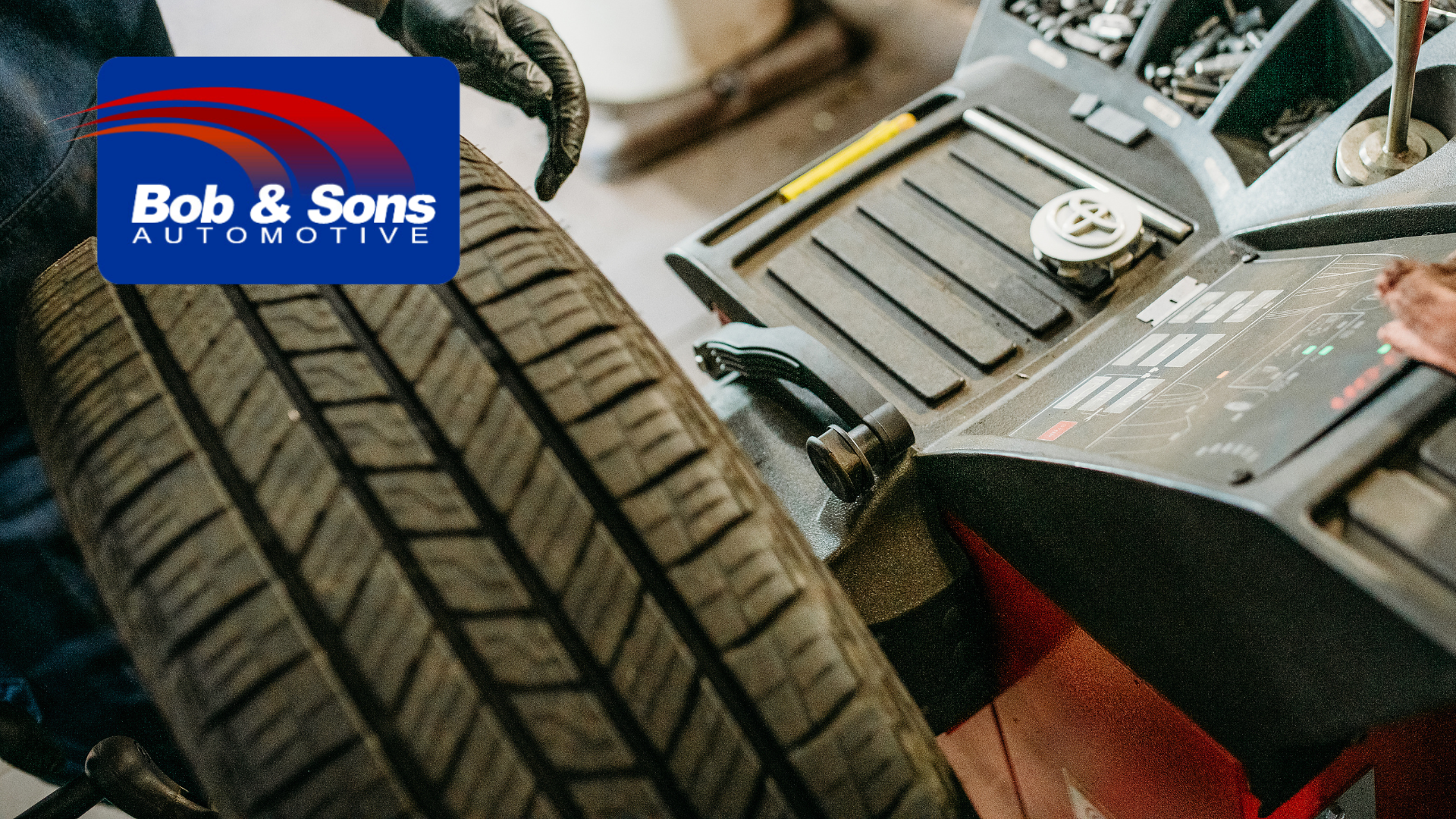
Your tires are the only part of your vehicle designed to make direct contact with the road. Their condition affects traction, handling, and stopping distance, especially when roads are wet, icy, or covered in leaves + snow.
Our inspection includes checking:
- Tread Depth and Wear Patterns: Look for insufficient tread and uneven wear that may indicate alignment, inflation, or other concerns.
- Tire Condition: Check for cracks, bulges, exposed cords, and other visible damage.
- Wheel Security: Check that wheels are properly secured and look for visible concerns.
As New Hampshire drivers prepare for changing seasons, tire condition deserves particular attention. Don't wait until the first snowfall to discover that your tires need attention.
Lights & Electrical: See and Be Seen
Properly functioning lights help you see the road, communicate your intentions, and remain visible to other drivers. Electrical warning indicators can also alert you to problems that need further investigation.
We check:
- Exterior Lighting: Verify the operation of headlights, brake lights, turn signals, and other applicable lights.
- Dashboard Warning Indicators: Identify illuminated warning lights that may indicate a problem requiring further diagnosis.
If a warning light appears on your dashboard, don't assume it will disappear on its own. Identifying the cause can help determine what needs attention and whether additional diagnostic testing is necessary.
Glass & Visibility: A Clear View Matters
Safe driving depends on being able to see the road and recognize potential hazards. Cracked glass, damaged mirrors, or a malfunctioning washer system can compromise visibility when conditions change.
During our inspection, we examine:
- Windshield and Windows: Look for cracks, damage, or defects that may interfere with visibility.
- Windshield Washer System: Check operation and visible condition.
- Side Mirrors: Inspect condition, adjustment, and functionality.
Clear visibility is important year-round, particularly during New Hampshire's darker winter months, when rain, snow, road spray, and reduced daylight can make driving more challenging.
Body & Structural Components: Look Beyond the Surface
Your vehicle's body and structural components do more than affect its appearance. Damage, corrosion, or improperly secured components can create concerns that deserve attention.
We look at:
- Doors, Hood, and Trunk: Check that they open, close, and latch properly.
- Bumpers and Accessible Structural Areas: Look for visible damage, corrosion, and insecure components.
An inspection of accessible areas can help identify visible concerns, although hidden structural damage may require additional evaluation.
Safety Equipment: Ready When You Need It
Seat belts, the horn, and supplemental restraint systems are easy to overlook when everything appears to be working normally. However, these features play important roles in vehicle safety.
We check:
- Horn and Seat Belts: Verify basic operation and look for visible damage.
- Airbag Warning Indicator: Check for warning lights that may indicate a supplemental restraint system concern.
An illuminated airbag warning light should not be ignored. Additional diagnostic testing may be needed to determine the cause, and a visual inspection alone cannot guarantee that every safety system will function properly in an emergency.
Suspension: A Stable, Controlled Ride
Your suspension helps absorb road impacts, maintain tire contact, and support predictable handling. Worn or damaged suspension components can affect comfort, stability, and vehicle control.
We inspect:
- Shocks and Struts: Look for leaks, damage, and signs of excessive wear.
- Coil Springs: Check for visible damage, breakage, or deterioration.
Excessive bouncing, unusual noises over bumps, or changes in how your vehicle handles can indicate suspension concerns. Identifying these issues can help you determine what repairs or further testing may be necessary.
Exhaust System: More Than Noise
Your exhaust system directs combustion gases away from the engine and passenger compartment. Leaks, corrosion, or damaged mounting components can create safety and reliability concerns.
Our inspection includes checking:
- Exhaust Components: Look for visible damage, corrosion, and signs of leaks.
- Hangers and Mounting Points: Check for loose, damaged, or improperly secured components.
A louder-than-usual exhaust, unusual fumes, or a noticeable exhaust smell inside your vehicle warrants prompt attention. Exhaust gases can pose a serious health risk, so suspected leaks should be evaluated without delay.
Why a Responsible Driver Doesn't Wait for a Warning
You don't have to wait for a strange noise, dashboard light, or unexpected breakdown to pay attention to your vehicle's condition.
Regular inspections can help identify developing concerns, give you a clearer picture of your vehicle's needs, and help you plan maintenance and repairs. They can also help you prioritize safety-related issues instead of being caught off guard by an unexpected problem.
No inspection can predict every future failure or guarantee that a vehicle will never experience a problem. But taking a proactive approach can help you make better-informed decisions and reduce avoidable surprises.
At Bob & Sons Automotive, we believe in building relationships, not just completing repairs. That means explaining what we find, why it matters, and what your options are without leaving you guessing.
We also provide a digital vehicle inspection report with every visit, helping you see what our technicians find and make informed decisions about your vehicle's care.
Take the Responsible Driver Approach
Your vehicle plays an important role in your everyday life, from getting to work to bringing your family where they need to go. Taking care of it is one way to help protect that investment and support safer driving.
The Bob & Sons Responsible Driver Safety Inspection helps you better understand your vehicle's condition and identify concerns that may need attention.
Conclusion
Ready to take a closer look at your vehicle?
Call Bob & Sons Automotive at 603.623.9295 or Request an Appointment. We're here to help you make informed decisions and keep your vehicle ready for the road ahead.
*Please note: The Bob & Sons Responsible Driver Safety Inspection is a preventive vehicle inspection, not a guarantee against future failures or a substitute for any required New Hampshire state safety inspection. Additional diagnostic testing may be recommended when concerns are identified.