What New Hampshire Winters Really Do to Your Vehicle: The Hidden Cost of Road Salt
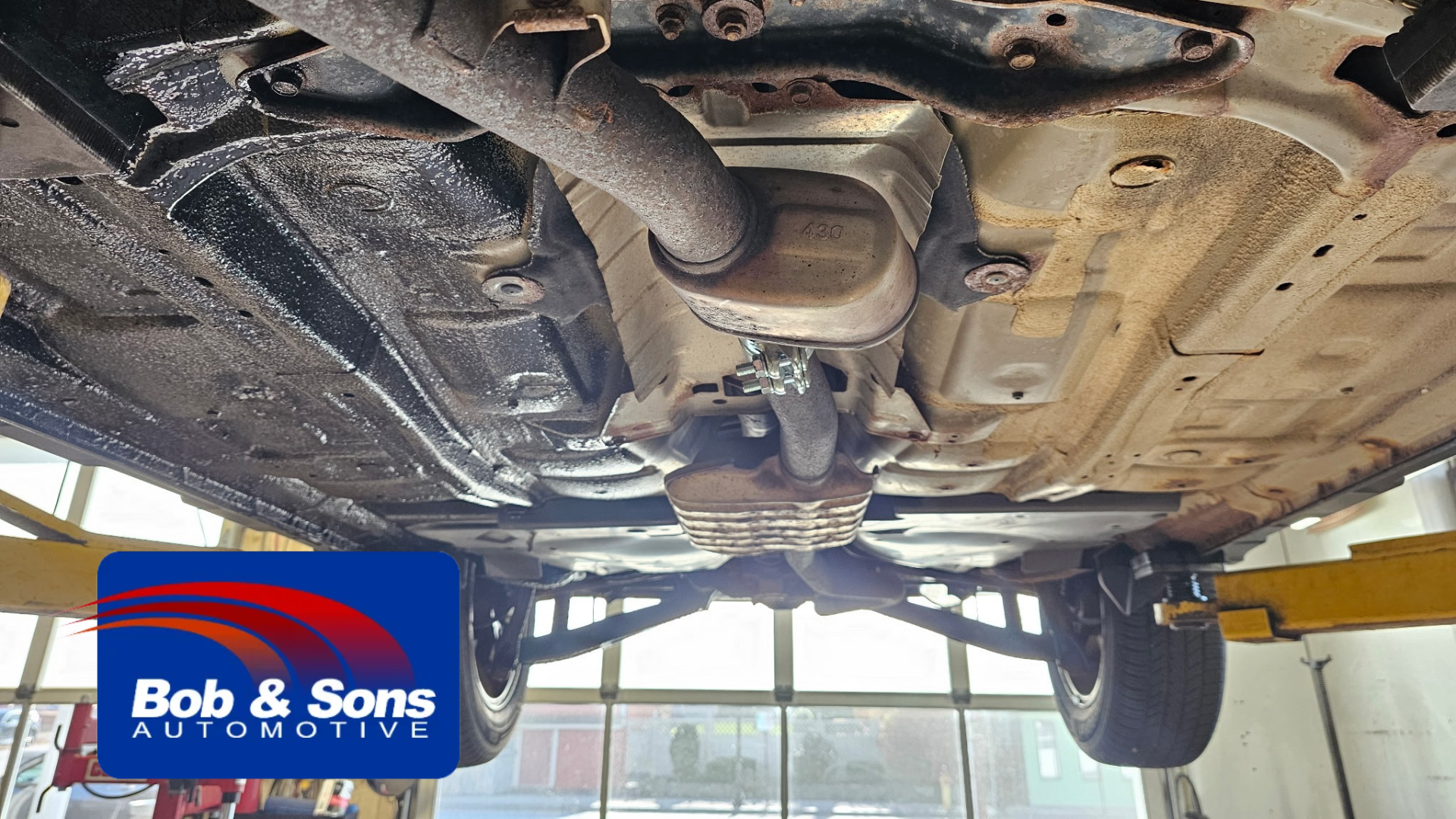
How road salt, moisture, and harsh New Hampshire winters affect your vehicle and what you can do to protect it from rust and corrosion.
If you've lived in New Hampshire for any length of time, you know winter driving comes with its fair share of challenges. Snow, ice, freezing temperatures, and plenty of road salt + salt brine are simply part of life here.
While most drivers focus on keeping their tires, brakes, and windshield ready for winter, there's one area that often gets overlooked: the underside of your vehicle. Road salt and salt brine are essential for keeping winter roads safer, but they can also be one of your vehicle's biggest enemies. Over time, exposure to salt and moisture can lead to corrosion, rust, and expensive repairs.
So, what's really happening underneath your vehicle during a New Hampshire winter?
Why Is Road Salt So Hard on Your Vehicle?
When snow and ice cover the roads, New Hampshire crews use salt and brine to help keep them safe. Unfortunately, that same salt doesn't just stay on the pavement. As you drive, salt, moisture, and road debris get kicked up underneath your vehicle. They collect on metal components, settle into crevices, and reach areas that are difficult to clean.
When salt mixes with moisture, it accelerates corrosion. Over time, that corrosion can weaken metal components and cause problems that aren't always visible from the outside. And it's not just older vehicles that are at risk. Newer vehicles are exposed to the same harsh winter conditions.
What Parts of Your Vehicle Are Most at Risk?
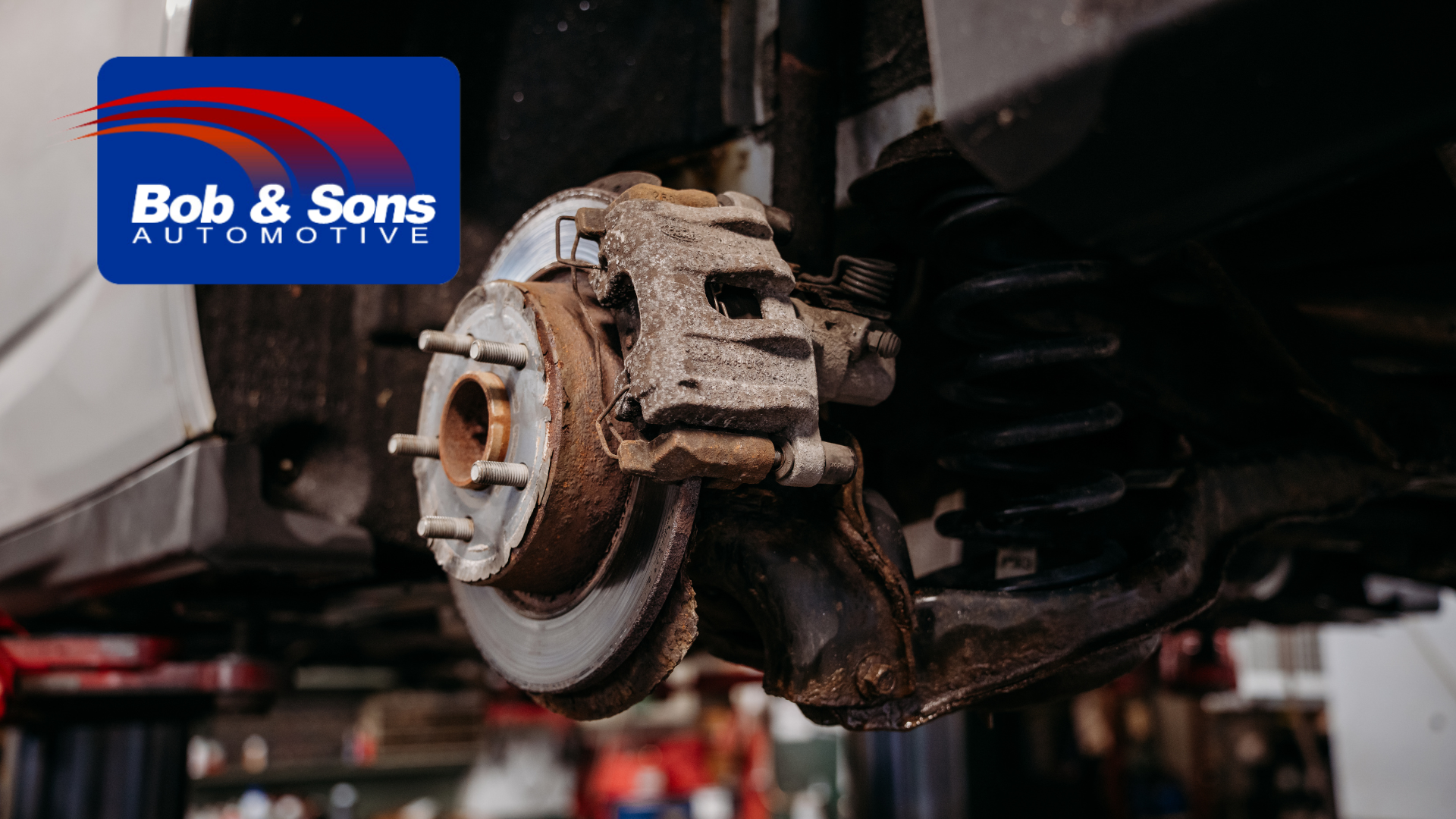
Some of the most vulnerable areas are underneath your vehicle, where road salt and moisture can accumulate.
Here are a few areas worth paying attention to:
- Brake lines: Corrosion can weaken brake lines and eventually lead to leaks or brake system problems.
- Exhaust system: Metal exhaust components are exposed to road salt and moisture, which can contribute to rust and deterioration.
- Suspension components: Control arms, springs, and other suspension parts can develop corrosion over time.
- Vehicle frame and undercarriage: These structural areas are particularly important to monitor because extensive corrosion can compromise vehicle safety and longevity.
- Fuel and other metal lines: Exposure to salt and moisture can cause deterioration that may lead to costly repairs.
The tricky part? Many of these issues develop out of sight. You may not notice a problem until corrosion has already progressed.
Why Newer Vehicles Aren't Immune to Rust
It's easy to assume that newer vehicles are better protected against rust than older models. While modern vehicles may have improved corrosion protection, they aren't completely rustproof. Factory coatings and protective materials can wear down, become damaged, or leave certain areas exposed. Repeated exposure to New Hampshire's winter roads can still take a toll.
Whether you drive a vehicle that's two years old or twelve years old, undercarriage protection is worth considering.
How Can You Protect Your Vehicle from Road Salt?
You can't completely eliminate the risk of corrosion, especially when driving through New Hampshire winters, but you can take steps to help protect your vehicle.
1. Keep Your Vehicle Clean
Regularly washing your vehicle during the winter can help remove salt and road grime. Pay particular attention to the underside, where salt tends to accumulate. When possible, use a car wash that offers an undercarriage rinse.
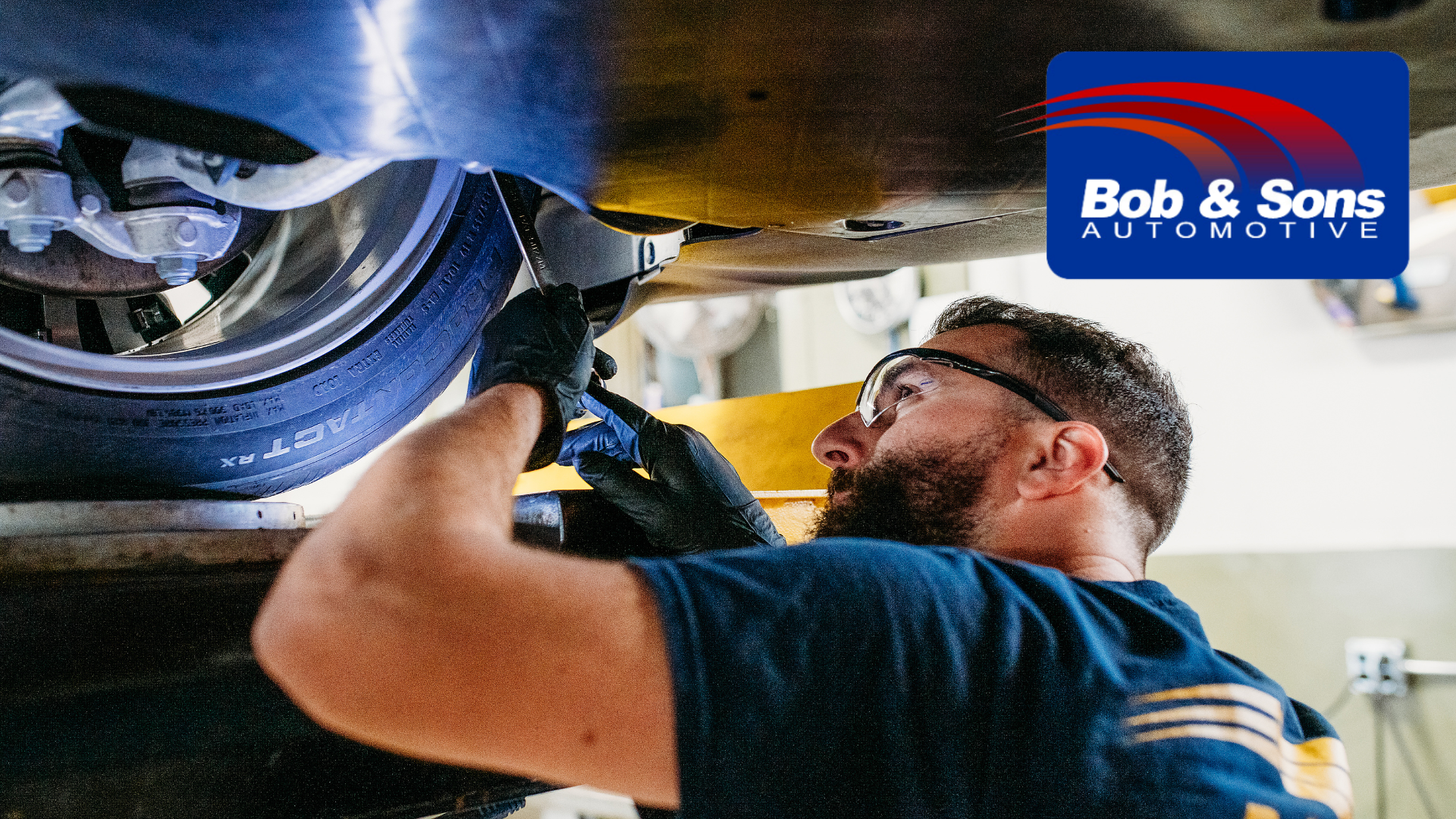
2. Have Your Undercarriage Inspected
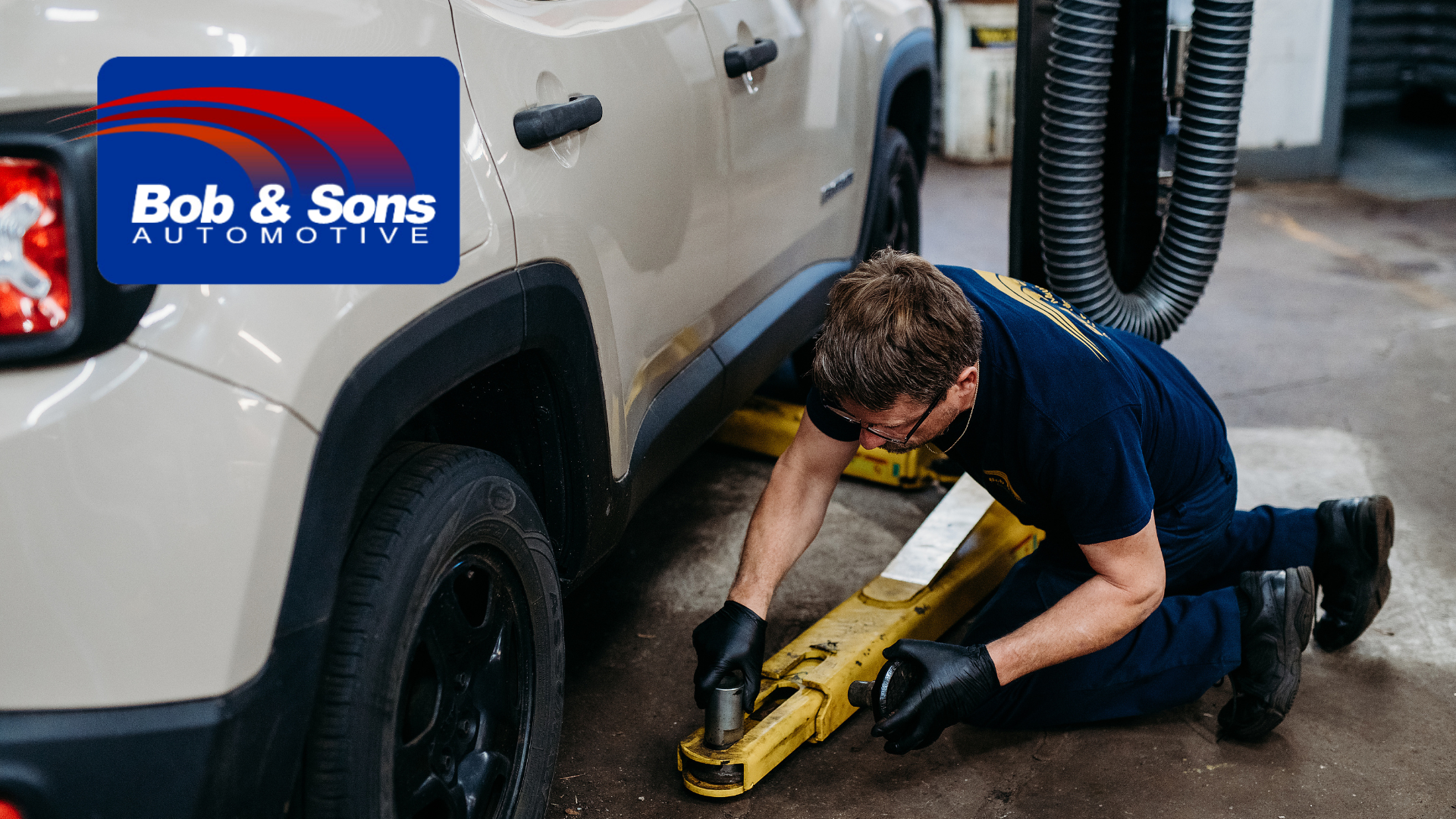
A professional inspection by Bob & Sons Automotive can help identify areas where rust or corrosion may be developing. Catching problems early can help you make informed decisions about maintenance and repairs.
3. Consider a Preventative Undercoating Service
One option for protecting your vehicle is Fluid Film, a lanolin-based corrosion protection product. Unlike traditional hard undercoatings, Fluid Film leaves a soft, flexible, non-drying protective coating on metal surfaces. It helps displace moisture, penetrates into seams and crevices, and helps protect vulnerable metal components against corrosion. Because it remains soft rather than drying into a hard shell, it doesn't crack or chip like traditional rigid coatings can.
For vehicles regularly driven on New Hampshire roads, this type of preventative protection is worth considering.
What Makes Fluid Film Different from Traditional Undercoating?
Not all undercoating products work the same way.
Traditional hard undercoatings create a solid barrier over the surface. While these products have their place, damage to a hard coating can potentially allow moisture to become trapped underneath.
Fluid Film takes a different approach. Its lanolin-based formula creates a soft, active coating that remains flexible and penetrates into hard-to-reach areas. It's designed to help protect metal surfaces from moisture and the corrosive effects of road salt.
Fluid Film isn't a rust remover, a repair for existing corrosion, or a guarantee that rust will never develop. Proper vehicle assessment and application are important, particularly on vehicles with existing coatings or significant corrosion.
Is Vehicle Undercoating Worth It in New Hampshire?
If you plan to keep your vehicle for several years, protecting its undercarriage can be a worthwhile investment. Rust-related repairs can become expensive, particularly when corrosion affects brake lines, suspension components, or structural areas.
Preventative undercoating can help protect vulnerable metal surfaces before corrosion becomes a bigger problem. The best time to consider protection is before significant corrosion develops, rather than waiting until rust is already visible.
Whether your vehicle is brand new or has been through several New Hampshire winters, it's worth knowing what's happening underneath.
Conclusion: Don't Forget What's Happening Underneath
Living in New Hampshire means accepting that winter driving is part of life. But that doesn't mean you have to ignore the impact it can have on your vehicle. A little preventative attention today can help you avoid bigger problems down the road.
Want to know how your vehicle is holding up underneath? Contact Bob & Sons Automotive at 603.623.9295 or Request an Appointment for an undercarriage inspection or ask us about our Fluid Film undercoating service. We’re here to protect your investment for the miles ahead!